
Top 10 Best Construction Chemicals Every Building Project in Nepal Should Plan
A practical guide to admixtures, grouts, repair mortars, sealants, anchors and protective coatings used in quality construction.
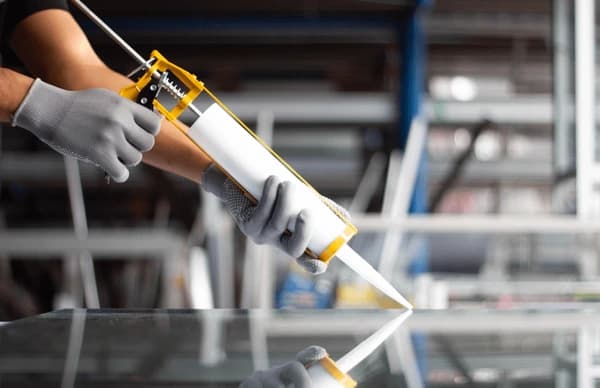
Choosing construction chemicals Nepal requires more than comparing a headline price. Nepal's monsoon rainfall, altitude differences, seismic risk, transport conditions and uneven access to trained installers can all affect material performance. This guide explains ten practical options and the checks that help owners, architects, engineers and contractors make a defensible decision.
The list is organised as a decision guide, not a paid ranking. Product availability, specifications and commercial terms change, so request current technical data and a written quotation before purchase.
How to use this top-10 guide
Start with the approved design and site conditions. Compare products using the same unit, specification, warranty, delivery scope and installation responsibility. Keep supplier documents with the project quality file.
1. Concrete water-reducing admixture
Improves workability or reduces water demand in controlled concrete mixes.
What to check
Use trial mixes and calibrated dosing.
2. Integral waterproofing admixture
Supports reduced permeability in concrete or mortar.
What to check
Do not use it as a substitute for joints, curing and crack control.
3. Non-shrink grout
Fills base plates, machine foundations and structural pockets.
What to check
Control water ratio, confinement and curing.
4. Polymer repair mortar
Repairs spalled or damaged concrete in compatible thicknesses.
What to check
Remove unsound concrete and treat reinforcement first.
5. Tile adhesive
Provides controlled bonding for ceramic, porcelain or stone finishes.
What to check
Match adhesive class to tile type, substrate and environment.
6. Tile grout
Fills tile joints and supports hygiene and appearance.
What to check
Choose joint width, flexibility and chemical resistance appropriately.
7. PU construction sealant
A flexible seal for movement joints and façade connections.
What to check
Use primer and backing rod where specified.
8. Chemical anchor resin
Anchors threaded rods or reinforcement into concrete and masonry.
What to check
Design embedment and clean drilled holes exactly as required.
9. Epoxy bonding agent
Bonds selected new concrete, repairs or steel components.
What to check
Observe substrate moisture, open time and mixing ratio.
10. Protective anti-carbonation coating
Reduces carbon dioxide and moisture ingress into exposed concrete.
What to check
Repair cracks and verify vapour permeability before application.
How to compare quotations fairly
- Use one written specification and quantity schedule for every supplier.
- Compare tax, transport, unloading, accessories, installation and warranty, not only the base rate.
- Ask whether the product is in stock, made to order or imported.
- Confirm batch, model, colour and technical documents before paying an advance.
- Keep a sample or approved submittal for delivery inspection.
Frequently asked questions
Which option is the best for every project?
No single material is best for every site. The appropriate choice depends on design, exposure, budget, maintenance and verified technical performance.
Should I buy the cheapest quotation?
Compare total installed value. A low rate can exclude accessories, delivery, preparation, testing or warranty support.
Where can I request a supplier quotation?
Use NepalBuild's request-for-quotation form or contact the team on WhatsApp at +977 9703036403.
Final recommendation
Shortlist two or three compliant options, review samples and technical data, and obtain approval from the responsible designer or engineer before ordering. For structural, fire, electrical and waterproofing work, use qualified professionals and documented installation methods.
Need current product prices or a project quotation?
Send your quantities, location and required delivery date. NepalBuild will help structure a comparable supplier enquiry.