
Insulation and Condensation in Nepal: What Builders Should Coordinate
Understand why condensation forms and how insulation, ventilation, air leakage and vapour control should be coordinated in walls and roofs.
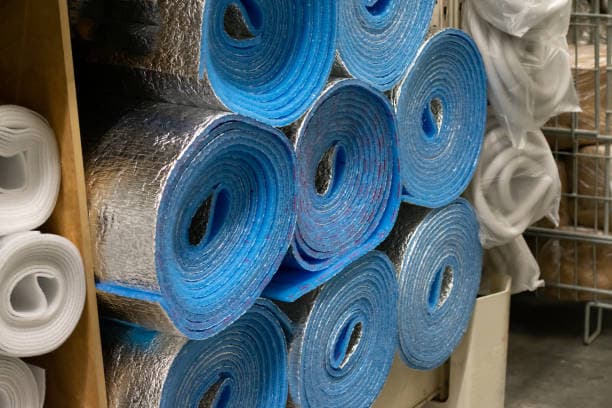
Insulation changes surface temperatures, which is good for comfort but can also shift where condensation risk occurs inside a wall or roof. Moisture problems are avoided by coordinating insulation with air leakage control, ventilation, weather protection and the vapour behaviour of the whole assembly.
Why condensation forms
Condensation occurs when moist air reaches a surface cold enough for water vapour to become liquid. Indoor humidity, outdoor temperature and surface temperature all matter.
A cold metal roof underside or an uninsulated thermal bridge can become a visible condensation point.
Air leakage can carry moisture
Warm humid air moving through gaps can transport more moisture than slow vapour diffusion through many materials. Seal service penetrations and major air paths as part of the envelope strategy.
Do not rely on insulation alone to make an assembly airtight.
Ventilation manages indoor humidity
Cooking, bathing, drying clothes and occupancy add moisture. Exhaust ventilation and appropriate fresh-air strategies help keep indoor humidity within a manageable range.
Ventilation openings should not be blocked when adding insulation.
Vapour control depends on the assembly
The correct vapour-control approach depends on climate, indoor conditions and material layers. A layer placed on the wrong side can trap moisture in some assemblies.
Use project-specific design guidance rather than copying a detail from a different climate.
Thermal bridges need attention
Concrete beams, columns, steel framing and window edges can bypass insulation and create colder interior surfaces. Continuous insulation and careful junction design reduce these weak points.
Inspect corners and interface details, not only the centre of the wall.
Dry materials before enclosure
Closing wet concrete, timber, boards or insulation inside a low-permeability assembly can create long-term moisture. Protect materials from rain and allow suitable drying time.
Document any wet areas and recheck before finishes are installed.
Practical project checklist
- Map indoor moisture sources.
- Keep insulation continuous at junctions.
- Seal major air-leakage paths.
- Maintain required ventilation.
- Confirm vapour-control placement for the actual assembly.
Questions to ask before you buy
- Does more insulation cause condensation?
- Why is a metal roof wet underneath in the morning?
- Can a vapour barrier go on either side?
Final takeaway
Treat heat, air and moisture as connected. Insulation improves comfort most reliably when ventilation, airtightness, drainage and vapour behaviour are coordinated at the same time.
Need a project-specific recommendation? Send NepalBuild your quantities, location and delivery timeline on WhatsApp at +977 970 3036403. We can help you compare materials, specifications and quotation options before ordering.
Need current product prices or a project quotation?
Send your quantities, location and required delivery date. NepalBuild will help structure a comparable supplier enquiry.
Related construction guides
Top 10 Best Thermal Insulation Materials for Energy-Efficient Buildings in Nepal
Compare thermal insulation for roofs, walls, ceilings, HVAC ducts and cold regions in Nepal.
Rockwool Insulation in Nepal: Thermal, Fire and Acoustic Guide
Use rockwool effectively in walls, roofs, ceilings and acoustic systems with guidance on density, thickness, fire performance, moisture and installation.
Best Thermal Insulation Materials for Walls in Nepal
Compare rockwool, glasswool, EPS, XPS and reflective insulation for Nepali walls based on climate, moisture, fire performance and installation.