
Acoustic, Soundproofing and Insulation Solutions in Nepal
Understand the difference between acoustic treatment, sound isolation and thermal insulation for homes, studios, offices, restaurants and commercial spaces.
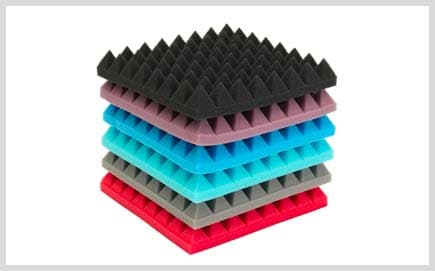
Acoustic treatment and soundproofing solve different problems. Treatment controls reflections inside a room; sound isolation reduces sound passing between rooms; thermal insulation manages heat flow. A successful project begins by defining which problem is actually causing discomfort.
Define the noise problem
Identify the source, receiving room, time of day and transmission path. Voices through a partition, footsteps from above, traffic through a window and machine vibration all need different solutions.
Measure or at least document the problem before specifying materials.
Use absorption for room acoustics
Fabric panels, PET felt, mineral wool absorbers and acoustic ceiling products can reduce echo and reverberation. They are useful in meeting rooms, classrooms, studios, restaurants and home theatres.
Absorption improves clarity inside the room but does not automatically stop sound passing through the wall.
Build mass and separation for isolation
Sound isolation often improves when the assembly combines mass, airtightness, resilient separation and cavity absorption. Double-layer boards, staggered framing, resilient channels and mineral wool are common components.
The exact build-up should match the required performance and structural constraints.
Seal flanking paths
Sound can bypass a good wall through doors, glazing, ceilings, ducts, sockets and service penetrations. Seal gaps and coordinate junctions with the floor and ceiling.
A small untreated opening can undermine a much larger upgraded partition.
Control vibration at the source
Mechanical equipment, pumps, generators and speakers can transmit vibration into the structure. Isolation mounts, resilient pads and flexible connections may be needed in addition to airborne sound treatments.
Choose vibration measures based on equipment weight, speed and support condition.
Coordinate fire and indoor-air requirements
Acoustic products are part of an occupied interior, so check fire classification, dust protection, facing materials and cleanability.
Use appropriate protective equipment during installation and follow the manufacturer’s handling guidance for fibrous products.
Practical project checklist
- Write down the exact noise complaint.
- Inspect doors, windows, ducts and penetrations.
- Separate room treatment from sound-isolation scope.
- Coordinate electrical and HVAC penetrations before closing walls.
- Review fire and finish requirements for all exposed products.
Questions to ask before you buy
- Do acoustic panels soundproof a room?
- Is rockwool useful for soundproofing?
- Why does sound still pass after upgrading a wall?
Final takeaway
Start with the transmission path, not the product catalogue. The best acoustic result usually comes from combining room treatment, isolation, sealing and vibration control in the right proportions.
Need a project-specific recommendation? Send NepalBuild your quantities, location and delivery timeline on WhatsApp at +977 970 3036403. We can help you compare materials, specifications and quotation options before ordering.
Need current product prices or a project quotation?
Send your quantities, location and required delivery date. NepalBuild will help structure a comparable supplier enquiry.
Related construction guides
How to Improve Home-Office Acoustics in Nepal Without Overbuilding
Improve speech clarity, privacy and comfort in a home office with practical guidance on doors, soft finishes, acoustic panels, partitions and noise sources.
Top 10 Best Soundproofing Materials for Homes, Offices and Studios in Nepal
Understand which materials absorb sound, block sound and reduce vibration in practical Nepalese building projects.